

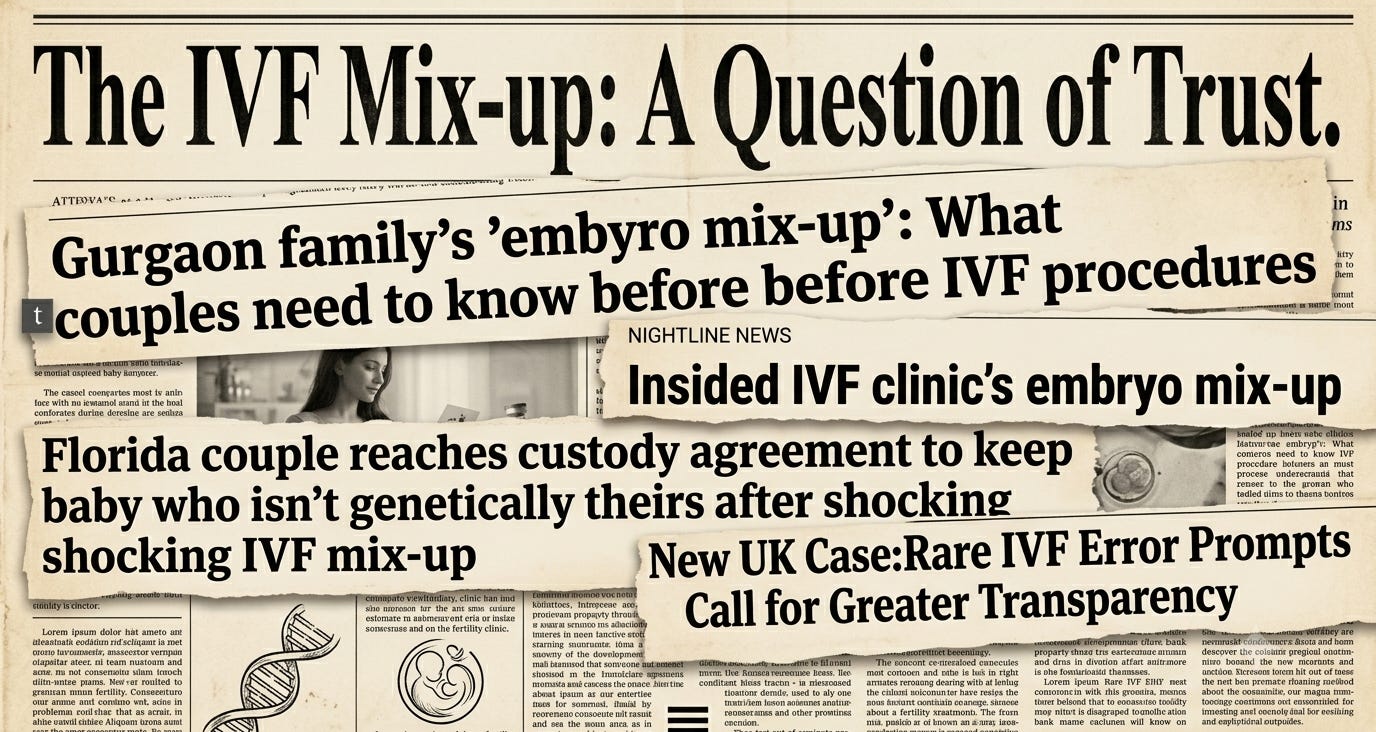
Over the past few weeks, news reports surrounding an alleged IVF mix-up have sparked conversations across the fertility community. While investigations are ongoing and such incidents remain exceptionally rare, the story highlights something fundamental to every fertility journey:
Trust.
When a patient begins IVF treatment, they place immense faith in their clinic, their doctor, and their embryology team. Beyond medical expertise, they trust that every egg, sperm, embryo, and sample is handled with the highest standards of accuracy and care. After all, fertility treatment isn't just another medical procedure. It is deeply personal.
Every sample represents years of hope, countless appointments, difficult decisions, and dreams of building a family. So when stories like these make headlines, many patients find themselves wondering:
"How do I know my embryos are really mine?"
It's an important question. And one that every fertility centre should be prepared to answer.
The reality behind the laboratory doors
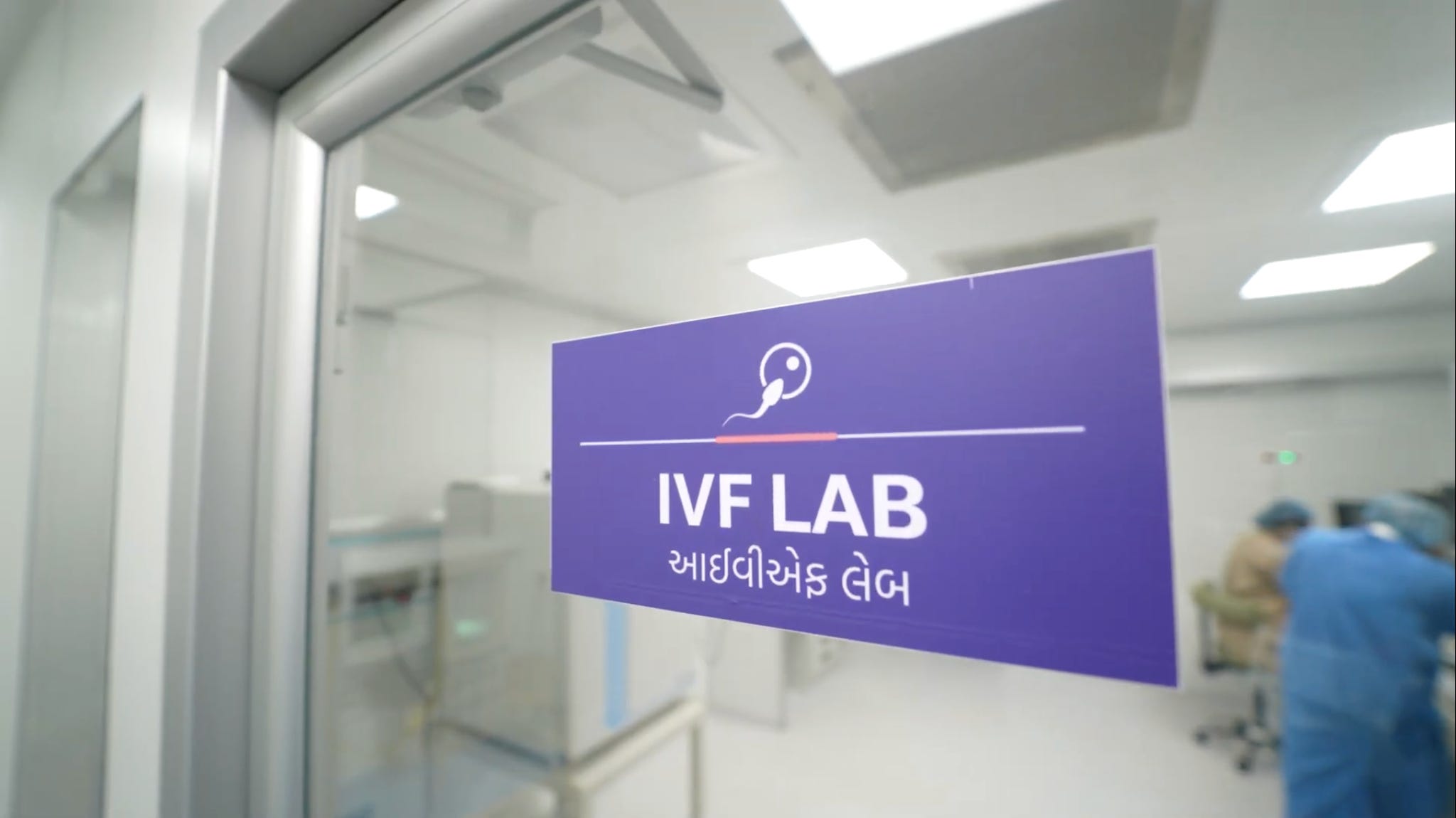
IVF laboratories are among the most regulated and carefully monitored environments in healthcare. Every egg collected, every sperm sample processed, every embryo created, and every embryo transferred undergoes multiple checks and verification steps.
Traditionally, these checks rely on a process called manual witnessing, where a second embryologist confirms patient identity and sample details before critical laboratory procedures are performed.
This system has been the backbone of IVF safety for decades. Yet, like every healthcare setting, IVF laboratories are still operated by human beings.
Even the most experienced professionals can face interruptions, fatigue, distractions, workload pressures, or simple human oversight.
The question is no longer whether clinics perform checks. The question is whether there is a better way to make those checks even safer.
The evolution of IVF safety
Think about how we travel today.
Airport staff still check your passport. But we also use barcode boarding passes, biometric scans and automated security systems. Not because we don't trust people. Because important things deserve multiple layers of protection.
The same philosophy is now shaping modern IVF laboratories around the world.
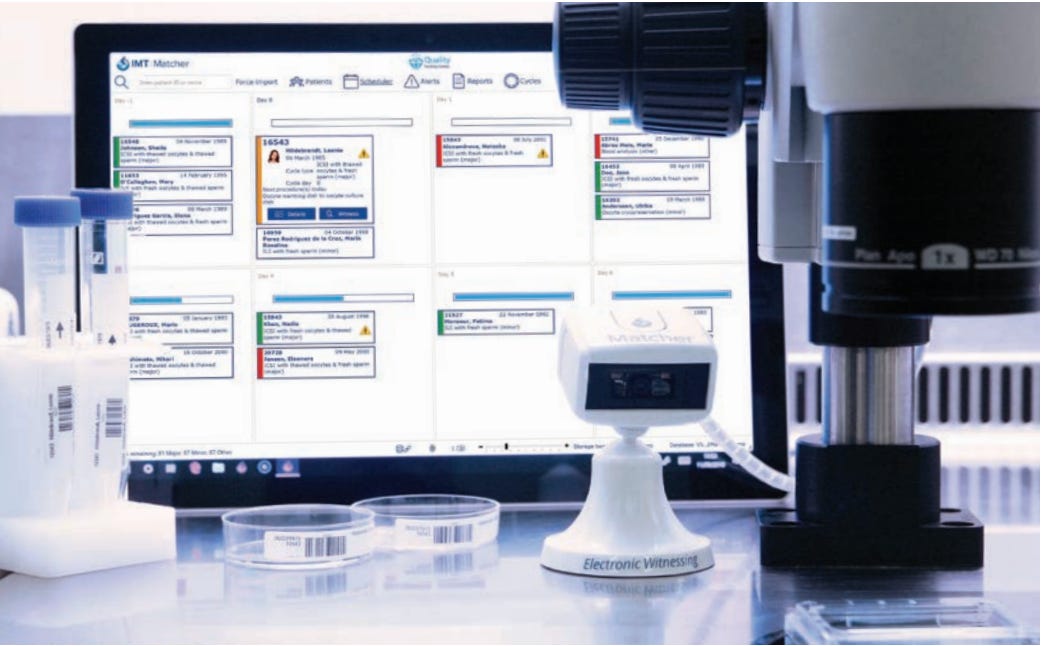
Leading fertility centres are increasingly adopting Electronic Witnessing Systems that work alongside embryologists, providing an additional layer of verification during critical laboratory procedures.
These systems don't replace human expertise. They strengthen it.
Why traceability matters
One of the most important concepts in IVF safety is something called traceability.
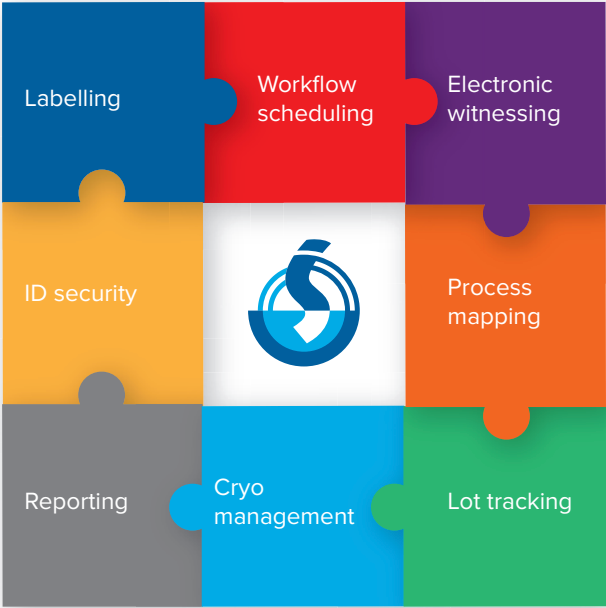
In simple terms, traceability means that every egg, sperm sample, embryo, culture dish, cryostraw and laboratory consumable can be tracked throughout the patient's journey.
If every step can be identified, verified and documented, the possibility of confusion is dramatically reduced. This is where technology can make a meaningful difference.
How electronic witnessing helps
At Mayflower, we use the Matcher Electronic Witnessing System, a technology specifically designed for IVF laboratories.
Matcher uses barcode-based identification and electronic verification to monitor patient samples throughout the IVF process continuously.
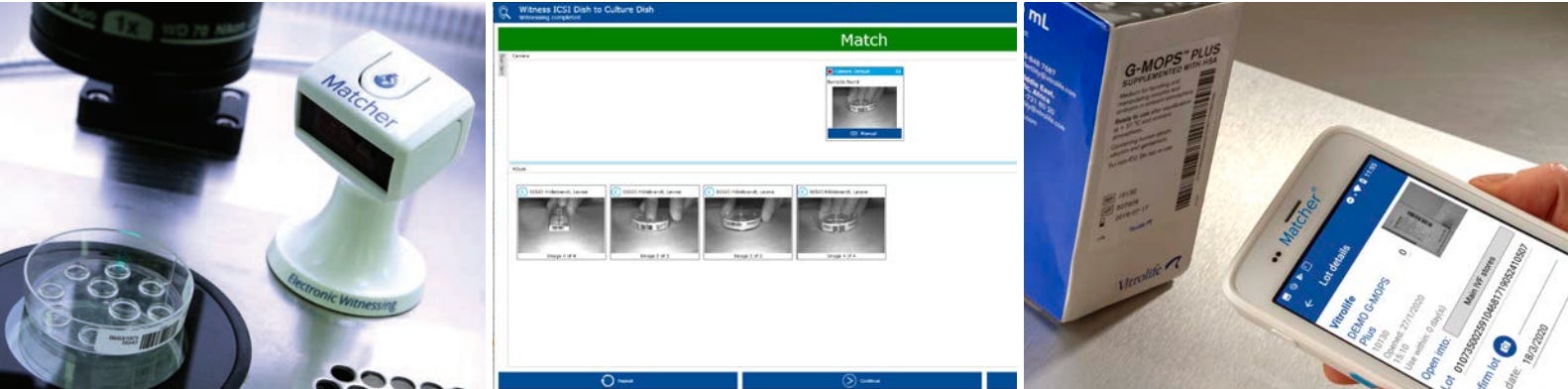
From patient registration and egg retrieval to fertilisation, embryo culture, embryo transfer and cryopreservation, the system helps ensure that the right sample is associated with the right patient at every critical stage.
What makes this particularly powerful is that Matcher doesn't simply record what happened—it actively helps prevent errors before they occur.
If a mismatch is detected between a patient and a sample, the system immediately alerts the laboratory team before the procedure can proceed.
Matcher also creates a complete electronic chain of custody throughout treatment.
Every witnessing event is documented, including:
• Who performed the procedure
• What samples were involved
• When it occurred
• Where it took place within the laboratory
In addition, the system maintains photographic records, audit trails and comprehensive traceability throughout the IVF journey.
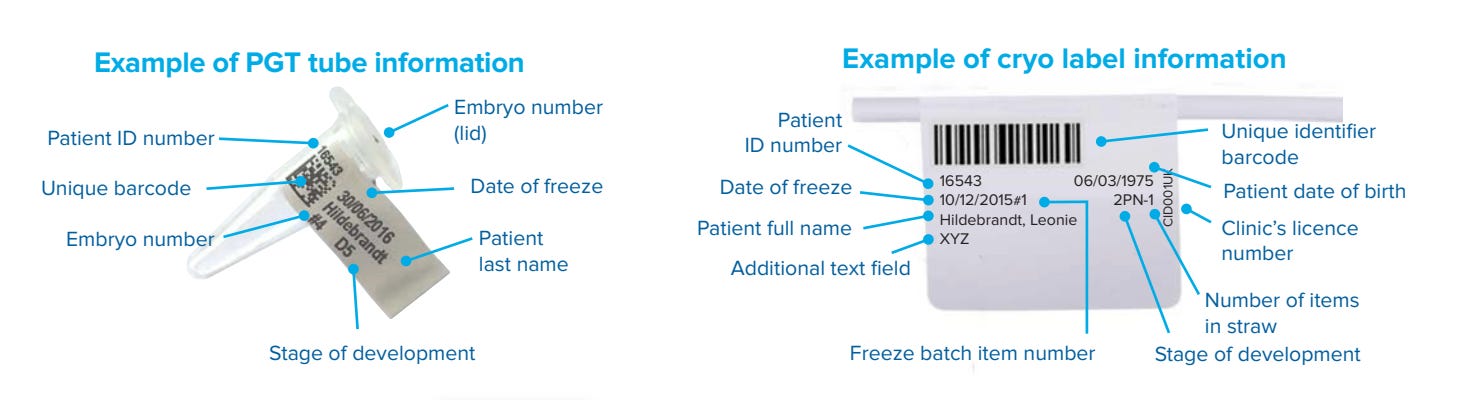
It can even track embryos during advanced procedures such as genetic testing and maintain traceability within cryostorage facilities.
Most patients will never see these safeguards working behind the scenes. And perhaps that's exactly how it should be.
Trust is built in the details
Patients often see the consultation room, the ultrasound machine and the embryo transfer procedure. What they don't see are the hundreds of quality checks happening quietly in the background.
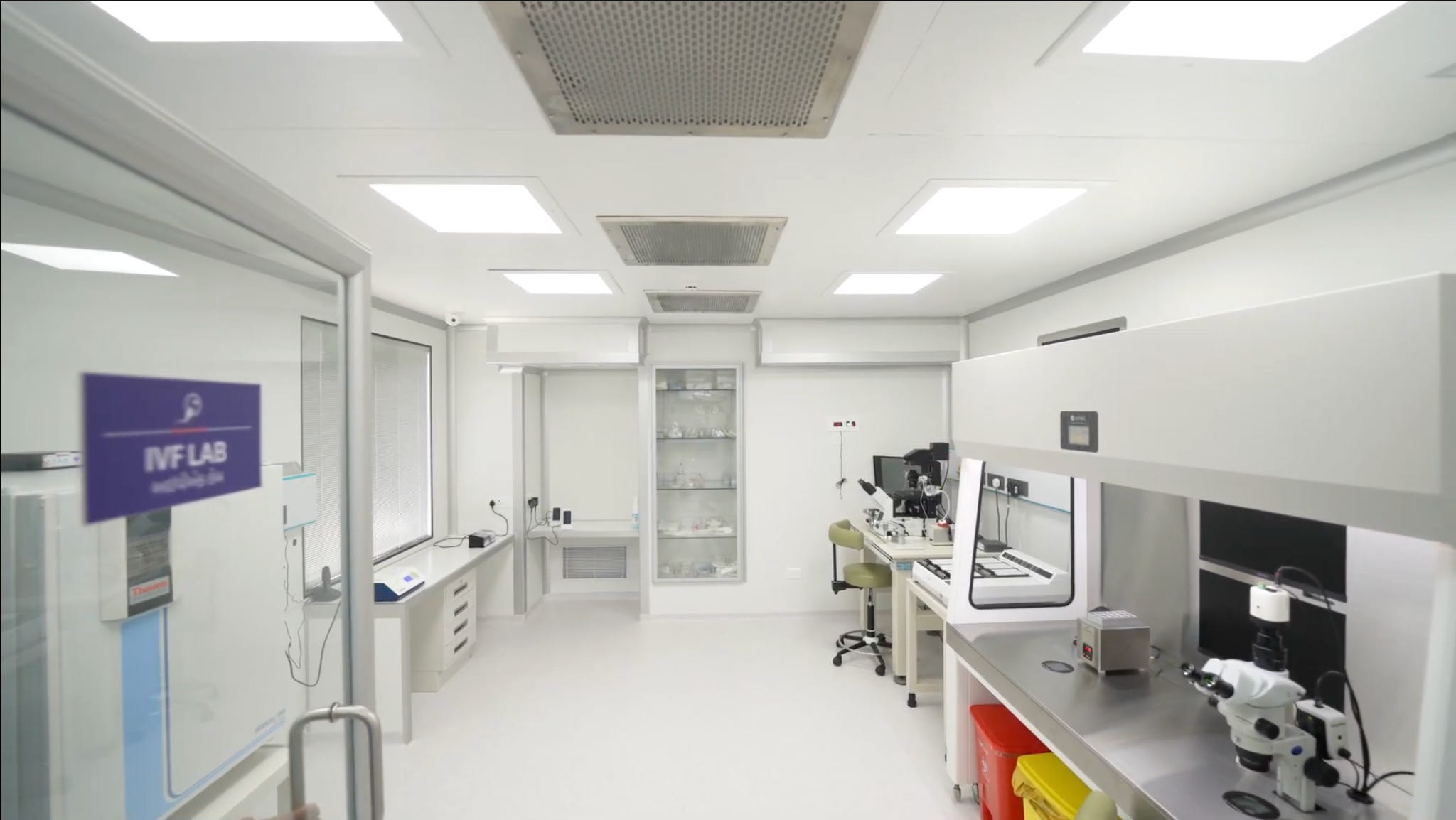
They don't see the witnessing processes. They don't see the laboratory audits. They don't see the traceability systems.
And they don't see the technology working alongside embryologists to protect every sample entrusted to their care. But these details matter.
Because in fertility treatment, success is about more than pregnancy rates. It's about confidence.
Confidence that every safeguard possible is in place. Confidence that your clinic invests not only in outcomes, but also in safety. Confidence that your trust is being protected every step of the way.
Looking ahead
The future of fertility care is not simply about better success rates. It is about safer care.
It is about combining skilled embryologists, rigorous protocols and advanced technologies to create the highest possible standards of patient protection.
Stories like the ones we've recently seen serve as an important reminder for all of us. Trust should never be assumed. It should be earned. And in fertility care, it is earned through every detail, every check, every verification and every safeguard that protects a patient's dream of becoming a parent.
Because when trust meets technology, patients gain something invaluable:
Peace of mind.
